Does almond milk break a fast? A clear guide


Almond milk and fasting
Does it break your fast — and does it actually matter?

When you’re fasting, water, black coffee, and unsweetened tea usually get the green light. But what about plant-based milks, like almond milk? Does almond milk break a fast — and does it matter whether it’s sweetened, unsweetened, or how much you pour in your coffee?
This guide breaks down everything you need to know about drinking almond milk during intermittent fasting intermittent fasting .
Introduction to intermittent fasting
Fasting isn’t just skipping meals — it’s a strategic eating pattern that affects your metabolism metabolism , insulin levels, and fat-burning processes. During a fasting window, you eat nothing (or very little), creating a calorie deficit and reducing calories overall, so your body relies on stored glucose and fat for energy.
What you drink matters as much as what you eat. Zero-calorie beverages like water, black coffee, unsweetened tea, and herbal infusions are OK because they don’t spike insulin or break your fast. But drinking any beverage with calories, even small amounts like a splash of almond milk, can have an impact.
That said, fasting isn’t one-size-fits-all. Your fasting goals determine how strict you need to be about calories during your fasting window. Here are five different types of intermittent fasting:
Technical fast
A technical fast aims to avoid any calorie intake. Eating or drinking any calories breaks a technical fast
Weight loss fast
At Simple, a weight loss fast means staying below a ~10-calorie threshold. In other words, consuming anything above ~10 calories during a fasting period breaks a fast, so almond milk should be avoided or limited to a very small splash. Staying under the 10-calorie threshold helps preserve fasting benefits, but gives slightly more flexibility and may still help you lose weight if overall calorie intake remains controlled.
Insulin-control fast
For insulin sensitivity and blood sugar control, minimizing carbohydrates and eating sufficient protein matters most. Unsweetened almond milk does not significantly impact insulin levels in small amounts, making it a preferable option compared to sweetened drinks or dairy milk.
Autophagy-focused fast
Autophagy is most strongly supported by stricter fasting. Consuming more than ~10 calories may reduce cellular cleanup, so almond milk is best avoided during fasting hours if autophagy is your primary goal.
Dirty fasting
Many people adopt a flexible form of intermittent fasting, known as ‘dirty fasting.’ For individuals practicing ‘dirty fasting,’ staying under 50 calories during the fasting period is a general guideline. This allows greater flexibility with food without drastically affecting weight loss, insulin response, or other fasting benefits.
What is almond milk?
Despite its name, almond milk doesn’t actually come from cows — and no, there aren’t tiny machines milking almonds!
Almond “milk” is a plant-based beverage made by either adding water to almond butter or soaking and grinding almonds in water, then straining out the leftover almond pulp. Almond milk made from scratch typically contains only almonds and water, making it a simpler option, though compared to the shop-bought almond milk, its actually less nutritious (standard almond milk is fortified with key ingredients like vitamin d, calcium, iodine, b12).
Nutritional value of almond milk
Nutrient values can vary by brand, but here are some average numbers to compare:
| Feature | Unsweetened Almond Milk | Sweetened Almond Milk | Flavored Almond Milk |
|---|---|---|---|
| Calories (per cup / 240 ml) | ~40 | 60–90+ | 70–120+ |
| Carbohydrates | <2 g | 7–15 g+ | 10–20 g+ |
| Fat | 2.5–3 g | 2.5–3 g | 2.5–3 g |
| Protein | 1–1.5 g | 1–1.5 g | 1–1.5 g |
| Added sugars | None | Yes | Usually |
| Vitamin E | ✅ | ✅ | ✅ |
| Impact on insulin | Minimal | Can raise insulin | Can raise insulin |
| Impact on fasting | Acceptable if <10 calories | Acceptable if <10 calories | Acceptable if <10 calories |
| Best use during fasting | Small splash in coffee or tea | Small splash in coffee or tea | Small splash in coffee or tea |
| Fasting-friendly | ✅ | ❌ | ❌ |
Will almond milk break a fast?
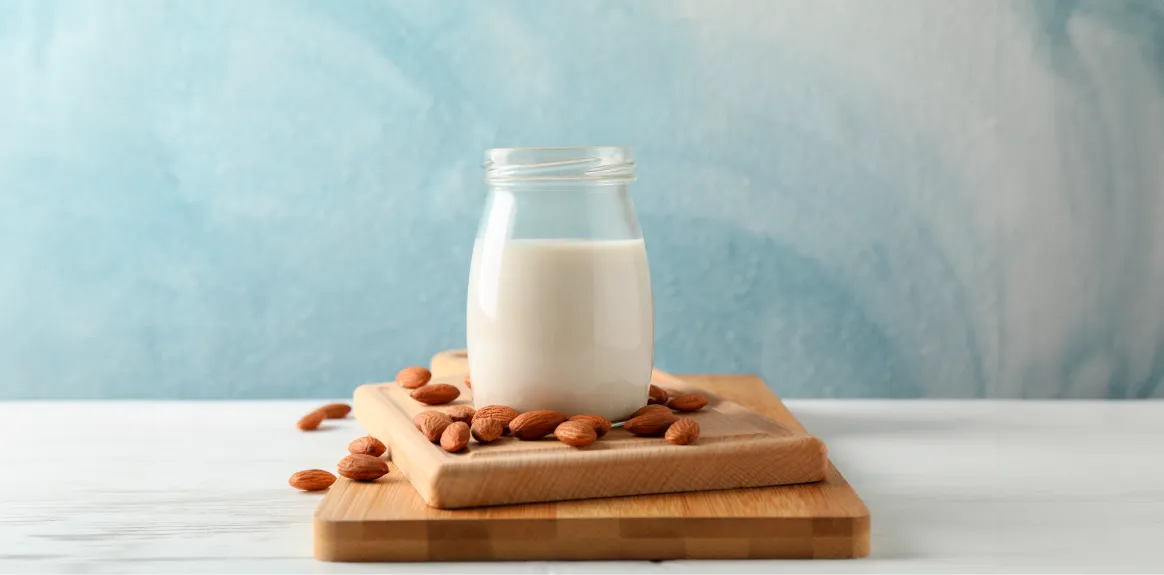
To know where almond milk fits into your intermittent fasting practice, let’s look at some facts.
-
Unsweetened almond milk is a low-calorie and low-carb drink suitable for some fasting, and only in small quantities.
-
A standard serving of unsweetened almond milk contains about 40 calories.
-
Sweetened almond milk contains added sugars that can significantly increase its calorie and carb content.
-
For technical fasting, any amount of calories will break a fast. Avoid almond milk if this is your goal.
-
For weight loss, insulin-control, or autophagy-focused fasts, keep servings under ~10 calories to avoid breaking your fast.
-
For ‘dirty fasting’ slightly larger amounts — up to 50 kcals — are likely fine without significantly affecting fasting benefits.
More fasting-friendly beverages
There are plenty of low-calorie, fasting-friendly drinks you can enjoy without breaking your fast:
-
Water is a calorie-free drink that can be consumed during fasting periods.
-
Black coffee is generally acceptable during fasting as it contains almost no calories.
-
Unsweetened tea is a calorie-free option that can be enjoyed during fasting.
-
Herbal teas are typically calorie-free and can be a delightful addition to your fasting routine.
-
Sparkling water is a zero-calorie option that can be consumed during fasting.
These options provide flexibility for your intermittent fasting drinks routine while helping you stick to <10 calories during your fasting window. For the complete breakdown, check out our full guide to what you can drink while fasting.
Calorie-containing fasting drinks
If you’re looking for variety, coconut milk can be a low-calorie alternative to almond milk during fasting if unsweetened, and oat milk can also fit into a fasting routine, though calorie content varies. To be on the safe side, check the container before you drink!
One other drink that you’ll hear both does and doesn’t fit a fast is bone broth. At Simple, bone broth does break a fast in amounts that contains more than 10 calories. But if your fasting style allows for a small number of calories during your fasting hours, bone broth is a filling option that can be consumed during fasting, and can help curb hunger, as it’s rich in protein.
Tips on using almond milk during a fast
-
Know your fasting parameters. Avoid playing a guessing game with questions like “Can I have almond milk while fasting?” by figuring out what safe, effective fasting looks like for you. Work with your doctor if it helps or if you have more complex medical needs.
-
Top up rather than fill up your glass. To stay within a weight loss fast, the amount of almond milk should be limited to less than ~10 calories. Even a small splash above that can technically break your fast.
-
Drink almond milk during your eating window! Skip worrying about how much almond milk breaks a fast by keeping this drink out of your fasting period altogether.
-
Aim for unsweetened varieties. More calories and sugar could spell problems for your fast. Skip flavored and sweetened almond milks, and if you make your own at home, limit even natural sweeteners like honey, dates, or maple syrup.
Health benefits and possible drawbacks of using almond milk while intermittent fasting

While there aren’t currently any specific studies investigating the benefits of intermittent fasting and almond milk, we know it’s a low-calorie, low-fat, and cholesterol-free beverage rich in essential nutrients.[1] Research on almonds and plant-based milks highlights several potential health benefits, such as support for improved blood pressure, immunity, metabolic health, and gut health.[1]
Potential benefits of almond milk while intermittent fasting:
-
Unsweetened almond milk contains healthy fats and very few calories, making it a good option for supporting fasting goals like weight loss and better gut health.
-
Almond milk does not significantly impact insulin levels, making it a preferable choice for some during fasting. This helps maintain stable blood sugar, supports fat loss, and reduces glucose stored as fat.
-
Almond milk provides vitamin E, a powerful antioxidant that helps protect cells from oxidative stress and supports immune function and skin health. Many almond milks are also fortified with calcium and vitamin D — which work together to maintain strong bones and teeth and support muscle contraction — and vitamin A, which plays a role in vision, immune defence, and maintaining healthy tissues.
-
If using unsweetened varieties of almond milk helps you enjoy your daily routine without compromising your fasting hours, great. Routines you enjoy are easier to sustain, helping you to achieve lasting results in terms of body composition and overall health.
Is intermittent fasting safe?
Many people wonder if intermittent fasting is safe. In general, the answer is yes — but intermittent fasting is not suitable for everyone. If you are pregnant, breastfeeding, have pre-existing health conditions, or simply unsure whether intermittent fasting is safe for you, check with your healthcare provider before starting.
FAQ
Does almond milk break a fast for weight loss?
For weight-loss-focused fasting, a splash or two in coffee or tea is generally fine without significantly affecting fasting benefits.
Does unsweetened almond milk break a fast?
Unsweetened almond milk is a low-calorie and low-carb drink that can be suitable for fasting. When drunk in small amounts — under ~10 calories for weight loss or autophagy fasts — it does not significantly impact insulin levels.
How many calories break a fast?
A strict fast is broken by consuming anything, as even small amounts of carbs or protein can trigger an insulin response. Weight loss, insulin-control, and autophagy fasts generally allow up to 10 calories, and flexible or “dirty fasting” approaches may allow up to 50 calories.
Is a splash of almond milk in coffee OK while fasting?
Yes, so long as you’re not doing a technical fast. A small splash of almond milk in coffee typically stays under the 10-calorie limit and is OK while fasting, letting you enjoy your morning coffee without compromising your weight loss goals.
Does almond milk spike insulin?
Almond milk does not significantly impact insulin levels, making it a preferable choice over higher-calorie drinks during fasting periods. Sweetened or flavored versions can raise insulin due to added sugars.
Does almond milk stop autophagy?
Consuming more than ~10 calories while fasting can reduce autophagy benefits.
Is almond milk better than cow’s milk for fasting?
It depends. Almond milk is lower in calories, carbs, and fat than most dairy milk, but it’s also lower in protein. Weigh up the pros and cons against your goals.
Can I drink almond milk on a 16:8 fast?
Yes, in moderation. A small amount of unsweetened almond milk during your fasting window won’t significantly disrupt your fast.
Does almond milk affect intermittent fasting results?
If consumed in moderation (<10 calories), almond milk typically does not impact fat loss or the metabolic benefits of intermittent fasting.
Can I drink almond milk during prolonged or multi-day fasts?
For strict multi-day fasting, it’s recommended to avoid almond milk entirely, as even small amounts can trigger insulin levels and break your fast. For flexible fasting, unsweetened almond milk in minimal amounts may be okay.
Is homemade almond milk better for fasting?
Not necessarily. Homemade almond milk contains only almonds and water, with no added sugars, preservatives, or sweeteners, but it’s time-consuming to make. It also lacks fortification, so if you’re not eating dairy (or other calcium-rich foods) or getting plentiful vitamin b12-rich foods, consider swapping to fortified options or boosting calcium / b12 intake elsewhere.
What can I put in coffee that won’t break a fast?
If you want to enjoy your morning coffee without breaking your fast, here are the safest options:
-
A splash of unsweetened almond milk adds creaminess while staying under ~10 calories, so it won’t technically break a fast if your goal is weight loss or insulin control.
-
Other unsweetened plant-based milks, like unsweetened coconut milk or oat milk, can be used in small amounts.
-
Dairy milk — even low-fat — contains calories and carbohydrates, so it can break a fast if you use too much.
-
Non-nutritive sweeteners like stevia or flavorings like cinnamon, cocoa powder, or vanilla extract provide flavor with negligible calories.