
Proven strategies on how to stop snacking mindlessly


Ever found yourself halfway through a bag of chips and thought, “Wait … I wasn’t even hungry”?
Yup, been there. This kind of mindless snacking sneaks in, not because our body needs fuel, but because we’re bored, stressed, or just passing the kitchen too many times, seeing the cookie jar gleaming from the countertop.
Sometimes it’s a bit more complex, and down to our hunger hormones getting their wires crossed. When ghrelin ghrelin —the “hunger hormone”—and leptin leptin —the hormone that signals fullness—are out of balance, your body keeps asking for food, even if you’ve eaten enough. [1, 2]
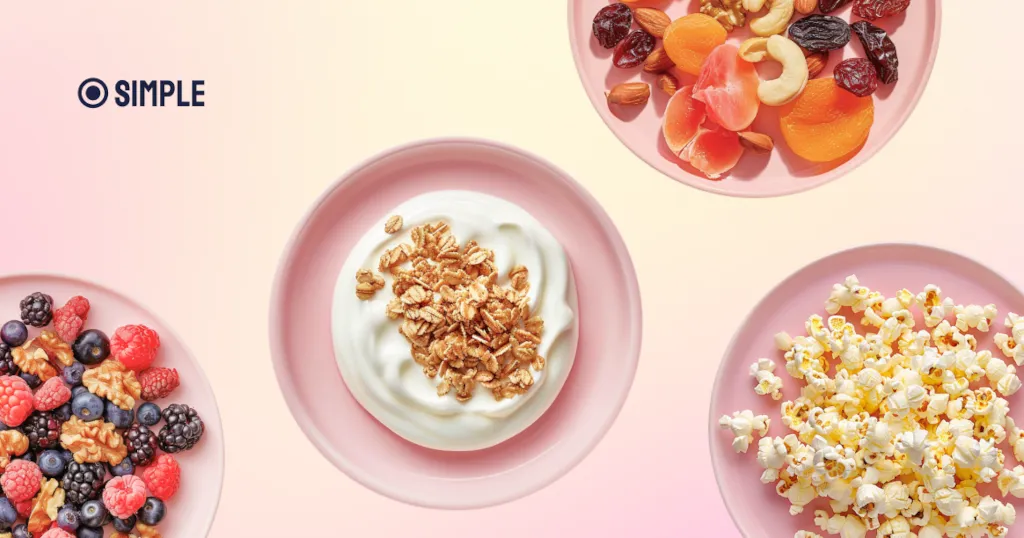
Add highly processed foods into the mix, and your snacking off-switch gets even harder to find.
If you’ve ever felt stuck about how to stop (or reduce) snacking, the good news is that gaining control of your snack habit IS doable, and there are science-backed habits that can help! By understanding your body’s signals, knowing a little about how your brain and hormones work, and working on your nutrition, you can take charge without cutting out snacks completely.
Snacks aren’t “bad.” Sometimes, they’re exactly what you need. But at other times, you might need a nap, a break, a meal, or a good cry. We’ll help you sort out the real hunger signals from the rogue ones, so you can learn how to quit the snacking that holds you back without having to go cold turkey on snacks altogether.
Why do I snack so much?
Snacking isn’t just about willpower. Our brains, hormones, habits, and surroundings all play a role. Let’s look at the most common drivers behind that irresistible pull to the pantry.
Hunger and appetite dysregulation
Research shows that our eating behavior is tightly linked to the balance of two key hormones: ghrelin and leptin. [3]
Ghrelin—often called the hunger hormone—rises before meals and boosts not just appetite, but our brain’s reward response to food, especially the high-calorie kind. [4] Leptin, on the other hand, is the satiety hormone that tells your brain you’re full. [5] When these hormones are out of sync—say, after poor sleep, high stress, or restrictive dieting—you might feel hungrier than your body actually is.
Add in the dopamine hit from tasty, ultra-processed snacks, and you’ve got a recipe for cravings that can override your natural fullness cues. [6]
Emotional and stress-induced eating
Ever felt like the fridge calls to you after a stressful day? Or—if you’re trying to figure out how to stop snacking at work—the bowl of sweets in the staff room after a tough meeting?
That’s not your imagination—it’s your brain (and hormones) trying to cope. Stress activates the release of cortisol cortisol , a hormone that primes your body for “fight or flight.” But in modern life, that often looks more like “snack and scroll.” Research shows that elevated cortisol is linked to increased cravings for high-calorie, energy-dense foods—especially those rich in sugar and fat. [7] These foods are quick energy sources, but they also act like emotional soothers.
Now layer in dopamine, the brain’s feel-good chemical. Every time you reach for that chocolate bar or bag of chips, your brain lights up with a little reward. Over time, your brain learns: Stress = snack = feel better. This is called reward-seeking behavior, and it can create a loop where snacking becomes your go-to strategy for emotional regulation, regardless of whether you’re physically hungry.
The good news? You’re not broken. You’re human. These responses are just part of how your brain works—but once you’re aware of them, you can learn to respond differently. Instead of trying to “just stop,” we can ask: What is this craving trying to soothe? What else might help me feel comforted, supported, or relaxed?
Habit and environment
Sometimes snacking isn’t anything to do with hunger, stress, or cravings. It’s just … what you do. You walk into the kitchen, see the snack drawer, and boom—your hand’s in there before you’ve even thought about it.
That’s the power of habit, and part of the answer to the question, “Why do I snack so much?!?”
Behavioral psychology shows that habits are formed through repetition and context—and it takes about two months of repeated behavior for something to become automatic. [8] So if you’ve been grabbing a snack every time you watch TV or hit that afternoon slump, your brain has likely locked that pattern in. You’re not weak—you’re just running on a mental shortcut.
Your environment plays a massive role too. Seeing snacks—whether it’s a candy bowl on the desk or cookies on the counter—can trigger eating even when you’re not hungry. Visual cues act like nudges to your brain that say, “Hey, that looks good … why not?” Research shows that simply keeping snacks out of reach, or out of sight can significantly reduce how often we reach for them. [9] Instead of trying to restrict, you simply set up your space to support your goals.
So, next time you find yourself snacking without thinking, try pausing to ask: Is this hunger, habit, or just what’s here? Then, you can choose what you actually want to do—with intention, not autopilot.

How to prevent and stop snacking between meals
Here’s where things get exciting: you don’t have to swear off snacks forever. (We would never ask you to do that.) You just need a few tools to make sure you’re eating with intention, not autopilot, and voila! You’ve got skills in the art of “how to avoid snacking.”
Prioritize high protein and fiber meals
One of the most effective methods for how to prevent snacking is to build meals that actually keep you full. That means prioritizing protein and fiber—the dream team for appetite control. Protein slows digestion and supports stable blood sugar levels, helping you feel satisfied for longer. Fiber adds bulk, which keeps your stomach fuller and your hunger hormones quieter between meals.
Studies show that meals rich in protein and fiber significantly reduce the urge to snack throughout the day. [10, 11] So instead of chasing fullness by picking at snack foods like chips and candy bars, focus on filling your meals with foods like eggs, chicken, lentils, oats, veggies, beans, and whole grains.
Use structured meal timing
Another helpful strategy is using structured meal timing—basically, giving your body a consistent rhythm for eating. When you eat at regular times, your hunger hormones get into a groove, which helps reduce random snack attacks. One structured meal timing approach, known as time-restricted eating (a form of intermittent fasting which, if you follow our blog, you will know all about!), has been shown to naturally reduce how often people snack without them feeling deprived. [12]
This doesn’t mean you need to follow a rigid schedule or skip meals. It’s more about being intentional with when you eat, so your body knows what to expect. For example, aiming to eat your meals within a set window—say, between 10 AM and 6 PM—can help reduce late-night snacking and support better appetite regulation.
This approach is a great method if you’ve been struggling with how to stop snacking all day, or you can’t stop snacking at night. A structured daytime eating window can bring more focus to what you eat in the daytime, and fasting prevents snacking at night. Winning on both counts!
Modify your food environment
Your environment has a way of shaping your habits, often without you even noticing. Research shows that simply keeping snacks out of sight (and ideally, out of reach) can dramatically reduce how often you grab them. [13] It’s that classic “out of sight, out of mind” trick.
When treats are visible and accessible, your brain gets constant cues to eat, even if you’re not hungry. This is sometimes known as the “see-food” diet, and is one of the top answers to the question, “why do I want to snack all the time?!” It’s also why one of our top tips to stop snacking is to shape your environment to support that goal. That might mean storing snacks in opaque containers, keeping fruit or pre-cut veggies front and center, or prepping intentional, healthy snacks ahead of time. Small changes to your space can lead to big changes in behavior.
Practice mindful eating
When people ask us, “how do I stop snacking?” (a question we hear a lot at Simple!), practicing mindful eating is a technique we always share. It can make a huge difference when it comes to how to curb mindless snacking. Research shows that slowing down, chewing thoroughly, and paying attention to your food (rather than a laptop or phone screen) can help reduce overeating and increase satisfaction with meals. [14]
Simple habits like sitting down to eat, using smaller plates, and putting your fork down between bites can help you reconnect with real hunger and fullness cues. Mindful eating isn’t about being perfect—it’s about being present. When you actually enjoy and engage with your meals, you’re far less likely to find yourself snacking an hour later because you’ll still feel full from your food.
Tips on what to do when you can’t stop snacking at night
Nighttime snacking is super common. Often one (or more) of these five reasons is the root cause:
-
Circadian rhythms: Your internal clock can boost hunger signals in the evening—even if you’ve eaten enough. [15]
-
Boredom: With fewer distractions at night, snacking often fills the gap. [16]
-
Low blood sugar: Undereating during the day, skipping meals, or eating unbalanced ones earlier can trigger cravings later. [17]
-
Poor sleep: Lack of sleep increases hunger hormones and cravings for high-calorie foods. [18]
-
Winding down: After a stressful day, you want something pleasurable. Food can be that thing. [7]
Here are four strategies that can help with how to break your nighttime snacking habit.
1. Optimize your meals
A satisfying breakfast, lunch, and dinner can set you up for a peaceful, snack-free evening. Focus on meals rich in protein and fiber, as these macronutrients help regulate your hunger and keep you feeling fuller for longer.
Protein, found in foods like lean meats, eggs, or beans, helps stabilize blood sugar levels and reduces late-night cravings. Pair it with fiber from vegetables, whole grains, or legumes to further enhance fullness and prevent that evening ice cream run later.
2. Reduce hyper-palatable snacks
Ultra-processed snacks—like chips, chocolates, and cookies—are designed to keep you coming back for more. They’re packed with sugar, fat, and salt, triggering your brain’s reward system, which can make it harder to stop once you start. [19] Try swapping them out for whole food options, like fruit, yogurt, or nuts.
By reducing the amount of these snack foods in your home, you’re less likely to give in to impulsive cravings. When you do indulge, keep it in moderation, and savor every bite—mindfully enjoying the experience, rather than mindlessly munching.
3. Use distraction techniques
When cravings hit, sometimes the best thing you can do is to redirect your focus. Instead of diving into the snack drawer, try engaging in dopamine-boosting activities that don’t involve food.
Physical activities, like a quick walk or stretching, not only help release those feel-good endorphins but also distract your mind from the craving. Hobbies like painting, knitting, or reading can also be incredibly effective. This simple shift in focus can break the cycle of habitual snacking and give you a more fulfilling way to spend your evening.
4. Improve sleep hygiene
Poor sleep isn’t just about feeling tired the next day—it’s also linked to increased evening cravings. Research shows that sleep deprivation disrupts the balance of hunger hormones, like ghrelin (which stimulates appetite) and leptin (which signals fullness). [20] When you’re sleep-deprived, ghrelin levels spike, making you feel hungrier, while leptin levels drop, making it harder to feel satisfied.
To improve sleep hygiene, try setting a consistent bedtime, limiting screen time an hour before bed, and creating a calming pre-sleep routine. By prioritizing quality sleep, you can naturally reduce those late-night cravings and support your overall health.
FAQ
Is snacking unhealthy?
Snacking isn’t inherently unhealthy—it depends on the frequency, portion size, and reason. When snacks are balanced and support your energy needs, they can be part of a healthy routine. If you often ask yourself, “why am I snacking so much?” or feel like you can’t stop snacking, it’s worth taking a look under the bonnet at what’s driving your snack habits.
Can you train yourself not to snack?
Yes! With awareness, and an understanding of how to change your habits, you can train yourself to stop eating snacks between meals. Work on tuning into your hunger signals, modifying your environment, and learning how to soothe and release emotions. Doing this will help you get better at stopping yourself from snacking in a sustainable way, rather than relying on willpower.
Will cutting out snacking help you lose weight?
If snacking leads to excess calories, it can lead to weight gain, so cutting it out can help you lose weight.
However, if snacking on whole foods like greek yogurt, berries, and nuts helps you manage hunger or supports your energy needs, cutting it out likely won’t aid weight loss. Eating enough to nourish your body is essential for supporting your overall health, including weight loss.
The key is understanding why and how you snack.
Why can’t I stop snacking?
Snacks—especially processed ones—often trigger dopamine and override fullness cues. Emotional eating, habits, and poor sleep can also make snacks feel addictive, and we’ve probably all asked ourselves, “how can I stop snacking?!” at some point. You’re not broken. Your brain is doing what it was wired to do. Now you get to rewire it, with science-backed habits that truly help you change.
What to eat to avoid snacking?
Learning how to eat meals rich in protein, fiber, and healthy fats will help you control and cut out constant snacking. Try oatmeal with peanut butter, eggs and veggies, or lentil soup with whole grain bread. These keep you full and help stabilize blood sugar so you’re not searching for snacks an hour later.
Is snacking between meals bad?
Snacking between meals isn’t necessarily bad. If you’re eating a balanced diet, eating whole-food snacks to help curb hunger, and reaching your goals, then snacking is all good. It’s just part of how you’re approaching your daily diet. If, however, you’re snacking on foods that are reducing your health, energy, and ability to reach your goals, then the ways we’ve shown you above will help you learn how to stop grazing and snacking so much between meals.
- Schulz C, Vezzani C, Kroemer NB. How gut hormones shape reward: A systematic review of the role of ghrelin and GLP-1 in human fMRI. Physiol Behav 2023; 263: 114111.
- de Assis GG, Murawska-Ciałowicz E. Exercise and weight management: The role of Leptin-A Systematic Review and update of clinical data from 2000-2022. J Clin Med; 12. Epub ahead of print 5 July 2023. DOI: 10.3390/jcm12134490.
- Aukan MI, Coutinho S, Pedersen SA, et al. Differences in gastrointestinal hormones and appetite ratings between individuals with and without obesity-A systematic review and meta-analysis. Obes Rev 2023; 24: e13531.
- Anderson KC, Hasan F, Grammer EE, et al. Endogenous ghrelin levels and perception of hunger: A systematic review and meta-analysis. Adv Nutr 2023; 14: 1226–1236.
- Perakakis N, Mantzoros CS. Evidence from clinical studies of leptin: current and future clinical applications in humans. Metabolism 2024; 161: 156053.
- Yu Y, Miller R, Groth SW. A literature review of dopamine in binge eating. J Eat Disord 2022; 10: 11.
- Hill D, Conner M, Clancy F, et al. Stress and eating behaviours in healthy adults: a systematic review and meta-analysis: Health psychology review. Health Psychol Rev 2022; 16: 280–304.
- Singh B, Murphy A, Maher C, et al. Time to form a habit: A systematic review and meta-analysis of health behaviour habit formation and its determinants. Healthcare (Basel) 2024; 12: 2488.
- Hunter JA, Hollands GJ, Couturier D-L, et al. Effect of snack-food proximity on intake in general population samples with higher and lower cognitive resource. Appetite 2018; 121: 337–347.
- de Carvalho KMB, Pizato N, Botelho PB, et al. Dietary protein and appetite sensations in individuals with overweight and obesity: a systematic review. Eur J Nutr 2020; 59: 2317–2332.
- Clark MJ, Slavin JL. The effect of fiber on satiety and food intake: a systematic review. J Am Coll Nutr 2013; 32: 200–211.
- Liu HY, Eso AA, Cook N, et al. Meal timing and anthropometric and metabolic outcomes: A systematic review and meta-analysis: A systematic review and meta-analysis. JAMA Netw Open 2024; 7: e2442163.
- Enriquez JP, Gollub E. Snacking consumption among adults in the United States: A scoping review. Nutrients 2023; 15: 1596.
- Robinson E, Aveyard P, Daley A, et al. Eating attentively: a systematic review and meta-analysis of the effect of food intake memory and awareness on eating. Am J Clin Nutr 2013; 97: 728–742.
- Chamorro R, Jouffe C, Oster H, et al. When should I eat: A circadian view on food intake and metabolic regulation. Acta Physiol (Oxf) 2023; 237: e13936.
- Moynihan AB, van Tilburg WAP, Igou ER, et al. Eaten up by boredom: consuming food to escape awareness of the bored self. Front Psychol 2015; 6: 369.
- Anguah KO-B, Syed-Abdul MM, Hu Q, et al. Changes in food cravings and eating behavior after a dietary carbohydrate restriction intervention trial. Nutrients 2019; 12: 52.
- Soltanieh S, Solgi S, Ansari M, et al. Effect of sleep duration on dietary intake, desire to eat, measures of food intake and metabolic hormones: A systematic review of clinical trials. Clin Nutr ESPEN 2021; 45: 55–65.
- Pursey KM, Yokum S, Brain K, et al. Neural responses in addictive eating: A systematic review. Curr Addict Rep. Epub ahead of print 2 February 2024. DOI: 10.1007/s40429-023-00538-8.
- Godos J, Grosso G, Castellano S, et al. Association between diet and sleep quality: A systematic review. Sleep Med Rev 2021; 57: 101430.