
Healthy snacking with the best nuts for weight loss


Nuts have taken a lot of heat over the years. Too high in fat. Too many calories. Too easy to overeat. For ages, they’ve been pushed out of weight loss diets like they were the problem. But spoiler alert: they’re not. In fact, when eaten mindfully, nuts can be one of the best foods to support your weight and health goals—and even help you lose weight as part of a balanced diet.
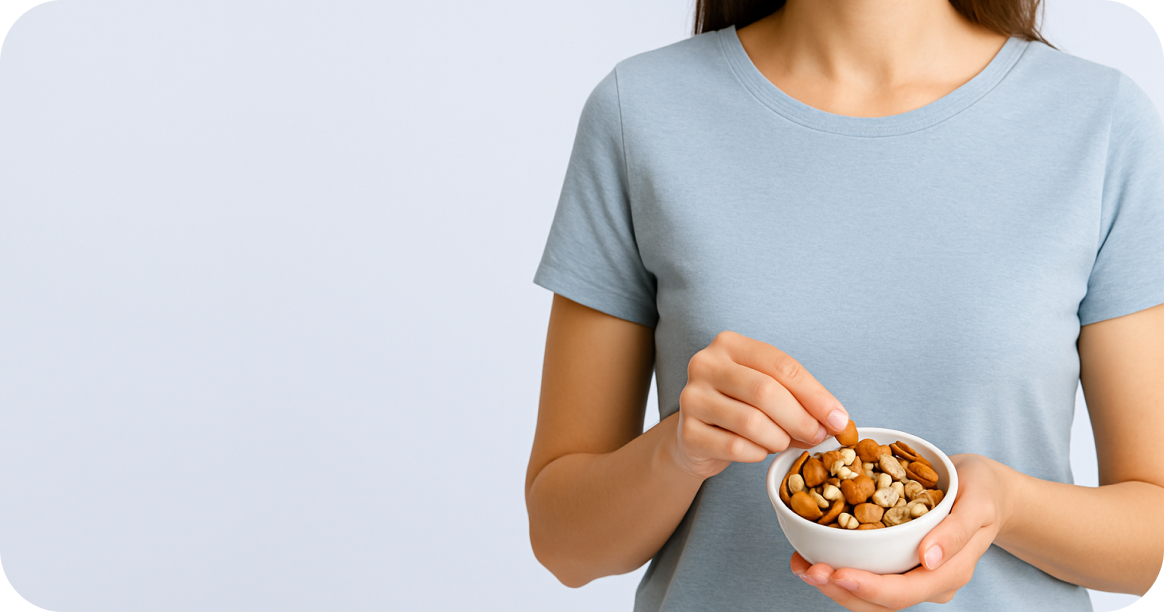
Healthy snacking with nuts
The best nuts for weight loss — and how to enjoy them mindfully.

They’re full of good stuff—healthy polyunsaturated and monounsaturated fats, protein, fiber, and essential nutrients—and they keep you full and fueled. So let’s crack the truth about the best nuts for weight loss weight loss , how many to eat, and how to make them work for your weight loss journey.
Why nuts are a great choice for weight loss
Nuts may be high in fat and calories per gram, but that’s only one piece of the story. They’re nutrient-dense, satisfying, and full of heart-healthy monounsaturated and polyunsaturated fats that can actually support weight loss. When eaten in the right amounts, and mixed with other nutrient-rich foods like dried fruits, oats, Greek yogurt, etc., nuts can help you feel full, stay energized, and support fat loss.
Healthy fats
Nuts are loaded with healthy monounsaturated fats and polyunsaturated fats, both of which support cardiovascular health, reduce inflammation, and help your body absorb fat-soluble vitamins.[2] These good fats also offer long-lasting energy, which helps you avoid blood sugar crashes and craving-driven snacking (also known as snaccidents). Eating nuts like almonds, walnuts, or cashews regularly may even lower LDL cholesterol and reduce heart disease risk.[3]
Protein
Every nut offers a natural Protein Protein boost—an important ally for feeling full and preserving muscle during weight loss. Eating mixed nuts as part your regular protein intake and alongside a solid strength training routine gives you a winning combo for keeping your muscles and metabolism firing. Protein also boosts thermogenesis (your body using more calories to digest food) and triggers satiety hormones that help regulate food intake.
Fiber
Nuts are rich in dietary Dietary fiber Dietary fiber , both soluble and insoluble, which helps slow digestion, regulate blood sugar, and manage appetite. Fiber also promotes gut health and supports the production of short chain fatty acids that improve metabolism and reduce insulin resistance—all essential for a healthy body weight.[4]
Vitamins and minerals
From magnesium and selenium to vitamin E, B vitamins, and zinc, nuts pack a big dose of essential nutrients. These help regulate blood pressure, support energy production, and maintain hormone balance.[5] Think of nuts as small but mighty dietary supplements from nature.
What are the best nuts to eat for weight loss and muscle gain?
Here’s a breakdown of the healthiest nuts for weight loss and why they’re also great for strength, recovery, and metabolism.
Almonds
Are almonds good for weight loss? Absolutely. Almonds are one of the top picks for shedding pounds thanks to their high fiber and protein content. One 28-gram (roughly 1 oz) serving gives you around 6 grams of protein and 3.5 grams of fiber, nutrients, both of which help control food cravings.
Nutritional highlights
-
High in magnesium and vitamin E
-
Help regulate blood sugar [6]
-
Support decreased waist circumference and lower body fat [7]
Try almond butter on whole-grain toast or add a splash of almond milk to your smoothie for extra nutrients.
Walnuts
Are walnuts good for weight loss? Yes—and they’re great for your brain, too. Walnuts are rich in omega-3 fatty acids, specifically alpha linolenic acid (ALA), which supports heart health and satiety while reducing inflammation.[8]
Nutritional highlights
-
Packed with polyphenol antioxidants
-
Support cardiovascular health and brain function [9]
-
Help regulate appetite and support weight loss efforts
Pistachios
Eating pistachios is a delicious way to support weight loss. They’re one of the lowest-calorie nuts per gram, and their combination of fiber, protein, and heart healthy fats can help reduce food cravings and prevent unhealthy snacking.
Nutritional highlights
-
Support weight management and better appetite control
-
Rich in B vitamins and antioxidants
-
Linked to improved LDL cholesterol and heart disease risk [10]
Cashews
Cashew nuts are slightly higher in calories but still a nutritious choice when eaten in moderation. They’re rich in iron, magnesium, and healthy unsaturated fats that keep you satisfied and energized.
Nutritional highlights
-
Support muscle and brain function
-
Aid metabolism and body repair
-
Contain around 5 grams of protein per 28 grams
Cashews can also be combined with other nuts or pumpkin seeds for a satisfying snack that supports weight loss goals.
Brazil nuts
Tiny but powerful, Brazil nuts are one of the best tree nuts for supporting metabolism and thyroid function. Just 1–2 a day delivers your daily dose of selenium, which helps balance hormones and boost metabolism.[11]
Nutritional highlights
-
Regulate hormones and thyroid function [12]
-
Provide anti-inflammatory and antioxidant benefits
-
May support a lower risk of cardiovascular disease [13]
Common misconceptions about nuts and weight loss
“Nuts are too high in fat for a weight loss diet”
Yes, nuts are calorie-dense, but they’re full of good fats that support heart and metabolic health. The healthy monounsaturated and polyunsaturated fats in nuts can lower your heart disease risk and help you lose weight when they replace less nutritious foods.
“You’ll gain weight if you eat nuts every day”
Actually, no. Studies show that frequent nut eaters often have lower body weight over time.[14] Nuts don’t promote weight gain when portioned well—they help with appetite control, improve diet quality, and bring a ton of supportive health benefits.
“Raw nuts are always better than roasted”
Roasting nuts doesn’t destroy nutrients, but watch out for added oils and salt. Dry-roasted or unsalted nuts are better for maintaining heart health and keeping salt intake low. If you love salted nuts, enjoy them occasionally, but balance them with fresh fruits or other healthy snacks.
“You can’t eat nuts on a low-fat diet”
Even lower-fat diets benefit from a serving of heart healthy fats like those in nuts. These unsaturated fats improve cholesterol levels, reduce inflammation, and can actually help your body burn fat more efficiently.[15]
“All nuts are the same”
Not quite. Different nuts bring different benefits. Almonds give you a strong protein boost, walnuts bring omega-3s, and pistachios deliver fiber and antioxidants. Mixing in other nuts—even macadamia nuts or pine nuts—helps ensure you get a wide variety of nutrients.
“Fat makes you fat”
This is health advice from the 1980s … and it didn’t stand the test of time. Healthy fats—especially monounsaturated and polyunsaturated ones—are vital for hormone balance, satiety, and energy. They help you shed pounds and maintain a healthy weight when paired with a balanced, nutritious diet and wise portion control.
Tips on incorporating healthy nuts into your weight loss diet
Check your portions
Stick with about an ounce (28 grams) per day. Pre-portioning healthy nuts makes it easier to stay on track with your weight loss plans—especially if you’re trying to reduce overall food intake. Here’s a handy overview to help you eyeball a healthy amount. 28 grams is roughly equal to:
-
18 cashews
-
23 almonds
-
49 pistachios
-
14 walnut halves
-
15 pecan halves
Eat nuts with protein or fiber
Pair nuts with Greek yogurt, dried fruits, or fresh fruits to stabilize blood sugar and keep you satisfied between meals.
Choose minimally processed options
Go for raw or dry-roasted, unsalted nuts. Skip versions with added oils or sugar. Read food labels to ensure you’re getting clean, whole ingredients.
Eat nuts instead of less healthy snacks
Replacing chips or candy with tree nuts is an easy way to eat fewer calories and more nutrients, which helps you reach your weight loss goals and give you longer-lasting energy.
Add them to meals for a nutrient boost
Sprinkle chopped nuts on oatmeal, grain bowls, or roasted veggies. They add crunch, flavor, and valuable nutrients without needing dietary supplements.
Try nut butters in moderation
Natural almond butter, peanut butter, or cashew butter are delicious foods for dipping fruit or topping toast. Just keep your portion to about one tablespoon to prevent overdoing calories.
Mix and match for variety
Switch up your nuts—almonds today, pistachios tomorrow, maybe Brazil or cashew nuts on the weekend. Adding seeds like pumpkin seeds also boosts nutrition and keeps things interesting.
FAQ
What is the best time to eat nuts for weight loss?
There’s no “best” time except when you’re hungry or when you need an energy boost! That said, snacking on nuts mid-morning or mid-afternoon can help stabilize blood sugar and reduce cravings between meals.
What nuts are not healthy for weight loss?
When they’re coated in sugar, chocolate, or salty flavorings—but even then they can be part of a healthy diet if your nutrition is balanced overall. Stick to plain, raw, or dry-roasted nuts to get the most health benefits out of your nuts.
How many nuts should I eat a day to lose weight?
About an ounce (28 grams) daily is ideal. That gives you a little hit of nutrients, protein, and healthy fats without too many calories.
What happens to your body when you eat nuts every day?
You may improve your heart health, reduce insulin resistance, increase your energy, and lower your blood pressure—as well as losing fat, if you’re eating and exercising in a way to support weight loss.[16]
What nuts burn belly fat?
No nuts burn belly fat directly, but almonds, walnuts, and pistachios can potentially help reduce abdominal fat when eaten as part of a balanced, healthy diet.[14]