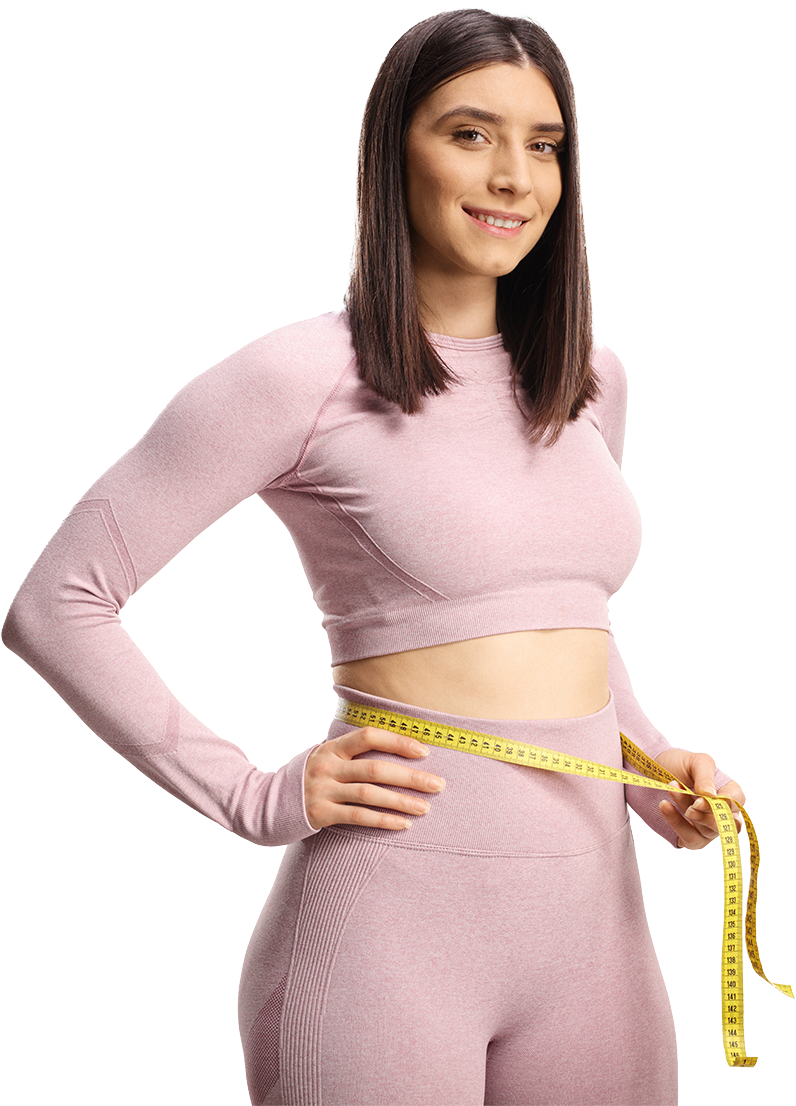
Body fat calculator


Understanding body fat is a powerful way to learn more about your body composition body composition and how your health is changing over time.
While weight alone can be helpful, it doesn’t tell you anything about your body composition: i.e., how much fat mass versus lean mass you have.[1] A body fat calculator fixes that by giving you a reasonable estimate of your body fat percentage, which is helpful if your goals include fat loss, muscle gain, and improving your overall body composition.

How much fat should you eat?
Use our fat intake calculator to find out.

Our free body fat calculator provides quick insights based on simple measurements, making measuring your body fat more accessible. A lot of people don’t have advanced body fat analysis equipment, like Bioelectrical Impedance Analysis (BIA) devices or DEXA scanners, lying around their home, so a body fat calculator is a handy thing to have!
Whether you’re tracking progress for weight loss, fitness, or health, this tool gives you a practical way to see how your body fat levels are changing over time.[2]
Methods explained
Our body fat calculator offers two different formulas to help estimate your body fat levels: the U.S. Navy method, and the BMI estimate.
Each method relies on different data points and produce slightly different results. Choose whichever one seems most accessible for you.
The U.S. Navy Method
The Navy method is one of the most widely used ways to estimate body fat percentage because it’s easy to do — all you need is a tape measure. Using 2-3 simple yet specific measurements, this method aims to assess total body fat based on your body proportions, which can produce more accurate results than calculations based only on height and weight.
How it works
For men, the Navy formula uses the circumference of your neck and waist to calculate your body fat. For women, hip measurements are also brought into the equation.
The idea behind this formula is to calculate body fat by measuring areas where fat tends to accumulate (waist and hips) and areas that tend to remain more stable (neck), and using both as reference points that tell a wider story.
Waist circumference, especially around the belly button, reflects changes in visceral fat visceral fat , subcutaneous fat, and excess body fat. Hip circumference in women does a similar job. Neck measurements, however, tend to shift less over time. These measurements also tend to change in specific ways when muscle mass is gained: waist and hips narrow, whereas necks may get thicker.
By comparing these measurements, the Navy method estimates your ratio of fat mass to lean mass.
How to do it
To use this formula, you’ll need:
- A soft tape measure that shows inches
You’ll also need some skill with using the tape measure method to generate reliable results. Start with a relaxed posture, and make some notes about where you are placing your tape on your body to help you be consistent over time.
Men and women follow slightly different protocols:
-
Men: measure your neck and waist
-
Women: measure your neck, waist, and hips
Pros
The Navy method has a few meaningful advantages for most people. Because it uses actual measurements rather than just height and weight, it gives you a more personalized picture of your body fat percentage and overall body composition. It captures how your body distributes fat mass, especially in areas where subcutaneous fat and visceral fat tend to show up, which makes the results more informative than BMI alone.
This method is also easy to repeat. As long as you use the same tape measure method, you’ll be able to track body fat changes over time. Because your measurements shift as lean mass, muscle mass, or fat mass change, the Navy method can help you monitor progress in a more detailed way than the scale.
Cons
The biggest limitation is technique. The accuracy of this calculation depends on skillful measuring and staying consistent from one session to the next. A slightly angled tape, a different spot on the stomach, or pulling the tape too tight can all change the result.
Another factor is natural variation in body shape. Two people with the same total body fat may have different proportions at the neck, waist, and hips, which can influence the estimate. And while the Navy method works well for the general population, individuals with higher-than-average muscle, such as athletes who do a lot of strength or high intensity interval training, may see results that don’t perfectly reflect their true fat mass. Most body circumference-based methods have the same limitation.
Who the Navy method is best for
Research from the U.S. Navy and additional validation studies suggest that this formula performs reliably for a wide range of men and women when the measurements are taken correctly.[3,4,5] It’s particularly helpful for people who want a method they can do at home that still considers fat distribution, not just scale weight.
BMI (Body Mass Index) estimate
The BMI (Body Mass Index) estimate is the second option our body fat calculator offers.
BMI is a simple calculation of weight relative to height that serves as a screening tool. Health organizations, including the World Health Organization and the U.S. Centers for Disease Control and Prevention, use it to classify people into general weight categories — underweight, healthy weight, overweight, and obese — and to track population-level trends in overweight and obesity.[6]
Our body fat calculator converts your BMI BMI into an estimated body fat percentage using a widely referenced equation. It’s fast, simple, and doesn’t require any measurements beyond basic stats you probably already know.
Body Fat Calculator
How it works
BMI is calculated using a simple formula based on height and weight. Then, our body fat calculator applies a validated equation to estimate your body fat percentage.
Because this method doesn’t measure anything directly on your body, it relies entirely on statistical averages. Two people with the same BMI can have very different levels of muscle mass, visceral fat, or lean mass.
Pros
The BMI estimate has a few helpful advantages:
-
It’s extremely quick and easy to calculate.
-
You only need your weight and height. No waist circumference, skinfold site measurements or skinfold calipers, neck or hip measurements required.
-
It’s widely recognized and used in clinical settings, fitness assessments, and large-scale research.
-
It can help you understand whether your weight and body fat falls within a typical range for your height.
This makes it especially accessible for people who don’t want to take body measurements or who simply want a quick estimate.
Cons
The biggest limitation of the BMI method is that BMI itself cannot distinguish between fat mass and muscle mass.[7] Those with a lot of lean mass like athletes, weight lifters, or people who naturally carry more muscle may appear “overweight” or even “obese” on BMI charts, despite having low body fat.
BMI also doesn’t account for bone density, age, or how your body stores visceral fat versus subcutaneous fat. Because it treats all weight the same, it can’t show changes in actual body composition as accurately as other methods can.
Limitations for muscular individuals
If you’re highly active, especially if you train with weights or do other strength-focused physical activity, BMI may misclassify you. This is a well-documented limitation in research and one reason organizations like the American College of Sports Medicine advise pairing BMI with other tools when evaluating body fat.
This doesn’t mean using BMI to assess your body fat levels is useless. It simply means it works best as a broad screening tool, not an advanced measurement of your body composition. For most people, BMI offers a quick, reasonable estimate of body fat, and a way to track progress over time.
How to measure
For the Navy Method, proper technique matters. Careful measuring helps the calculator produce the best results, free of fluctuations caused by breathing, posture changes, or inconsistent tape placement. Here’s how to measure each point correctly.
Neck measurement
Place the tape around the neck just below the larynx, keeping the tape snug but not tight. Make sure the tape stays horizontal and flat against the skin.
Waist measurement
For men
Measure around your belly button with your stomach relaxed. Keep the tape parallel to the floor and avoid pulling too tight.
For women
Measure at the narrowest part of the waist, usually between the ribs and hips. Keep your posture neutral and breathe normally.
Hip measurement (women only)
Place the tape around the widest part of your hips. Keep the tape horizontal from front to back and ensure it lies smoothly against your body.
Accuracy tips
These steps help ensure reliable results:
-
Take measurements at the same time of day each time.
-
Use a soft tape measure designed for taking body measurements.
-
Keep the tape horizontal.
-
Take two or three readings and average them.
-
Stay relaxed and stand naturally; no sucking in.
-
If wearing clothes, make sure to wear the same thing each time.
FAQ
Which method should I choose?
If you want the most personalized way to calculate body fat, the Navy method is usually the better choice. It accounts for fat distribution, lean mass, and muscle mass, giving results that better reflect your actual body composition. The BMI method is faster and easier but is best used as a screening tool rather than a precise measurement.
Why do the Navy and BMI methods give different results?
Each method relies on different inputs. The Navy method uses neck, waist, and hip measurements, while BMI relies only on height and weight. Because body fat percentage depends on multiple factors, the two methods may give slightly different numbers, especially if you have higher muscle mass or unique body proportions.
How often should I measure body fat?
Every 2–4 weeks is ideal. Body fat changes gradually, so measuring too often can make normal fluctuations feel frustrating. Pick a consistent day and time each month, and stick with the same method for accurate tracking.
Is BMI-based body fat accurate?
BMI gives a useful estimate of total body fat, but it cannot distinguish between muscle and fat. People with higher lean mass or muscular builds may appear overweight despite having low body fat percentage.
Why is the Navy method more precise?
The Navy method uses specific measurements of your body, which reflect where fat is stored and how it is distributed. This makes it more accurate than BMI, especially for tracking changes in subcutaneous fat and visceral fat over time.
What is a healthy body fat percentage?
Healthy ranges vary by age, sex, and activity level. The American Council on Exercise (ACE) provides detailed charts for men and women:
For women:
-
Essential fat: 10–13%
-
Athletes: 14–20%
-
Fitness: 21–24%
-
Average: 25–31%
-
Obesity: 32% or higher
For men:
-
Essential fat: 2–5%
-
Athletes: 6–13%
-
Fitness: 14–17%
-
Acceptable: 18–24%
-
Obesity: 25% or higher
Total body fat above these acceptable / average ranges could be associated with higher risks for heart disease, cardiovascular disease, or obesity-related conditions. Diet, physical activity, and nutrition all play a role.
Can this free body fat calculator track my progress?
Yes! While no at-home tool is perfect, regular tracking with the same method gives a clear picture of changes in body fat, muscle mass, and overall body composition.
Are there other ways to measure body fat?
Yes. Advanced options include:
-
Hydrostatic weighing
-
Air displacement plethysmography
-
Skinfold site method using calipers
-
Bioelectrical Impedance Analysis (BIA)