The summer body image crisis: How our body confidence worries are killing our relationships, our vacations, and our social lives

We’ve built an entire culture around summer — beaches, weddings, outfits — then quietly decided we hate how we look in it. New data from our users shows that for roughly half of us, the warmest season is also the loneliest.
The summer body image crisis
How body insecurity is costing us connection, confidence, and joy.

Why this matters now
Here’s the thing about seasons: they’re supposed to be neutral. The earth tilts, the temperature changes, nobody’s at fault. Yet a lot of people report that summer — not the cold, dark, brutal winter, as you might expect — is the toughest season to get through.
47% say summer is the worst season for body confidence and social life. Only 5% say winter is harder. There’s an irony there: the season that’s sold as freedom is the one people feel most trapped by.
Underneath nearly every number that follows sits the same worry: how people feel about their bodies when hot days and long nights leaves nowhere to hide.
The summer tax on romance
For a lot of people, dating is where insecurity hits hardest.
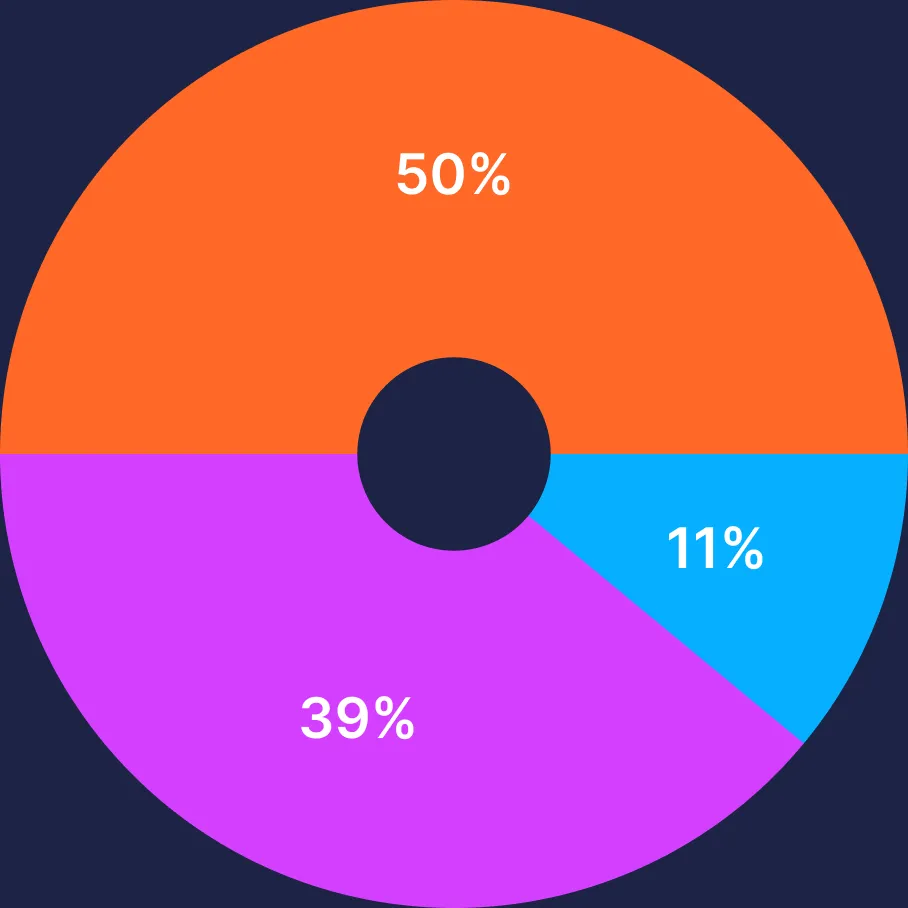
Half of respondents (50%) have turned down a summer date because of how they thought their body looked — 11% say they do it all the time.
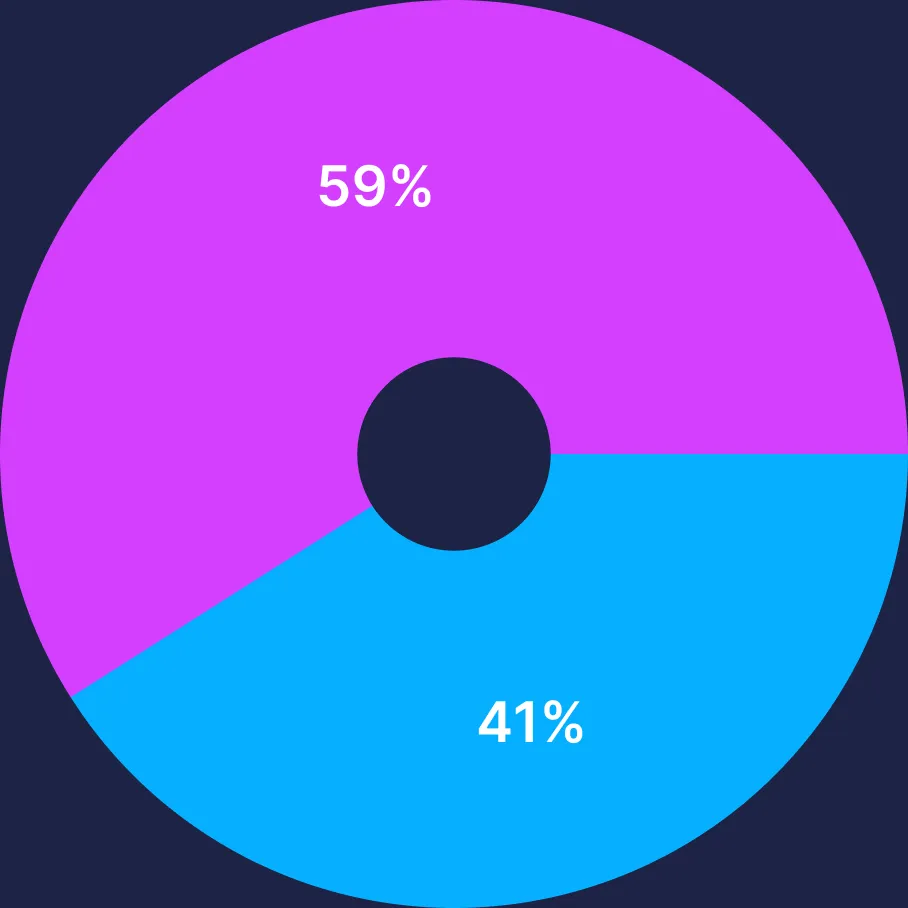
41% have delayed dating entirely until “hoodie season,” waiting for the calendar to give them the safety to be seen; postponing connection until they can armor up in layers, long pants, and sleeves.
But insecurity doesn’t only hit in those early dating stages. The more intimate things get, the shyer we are.
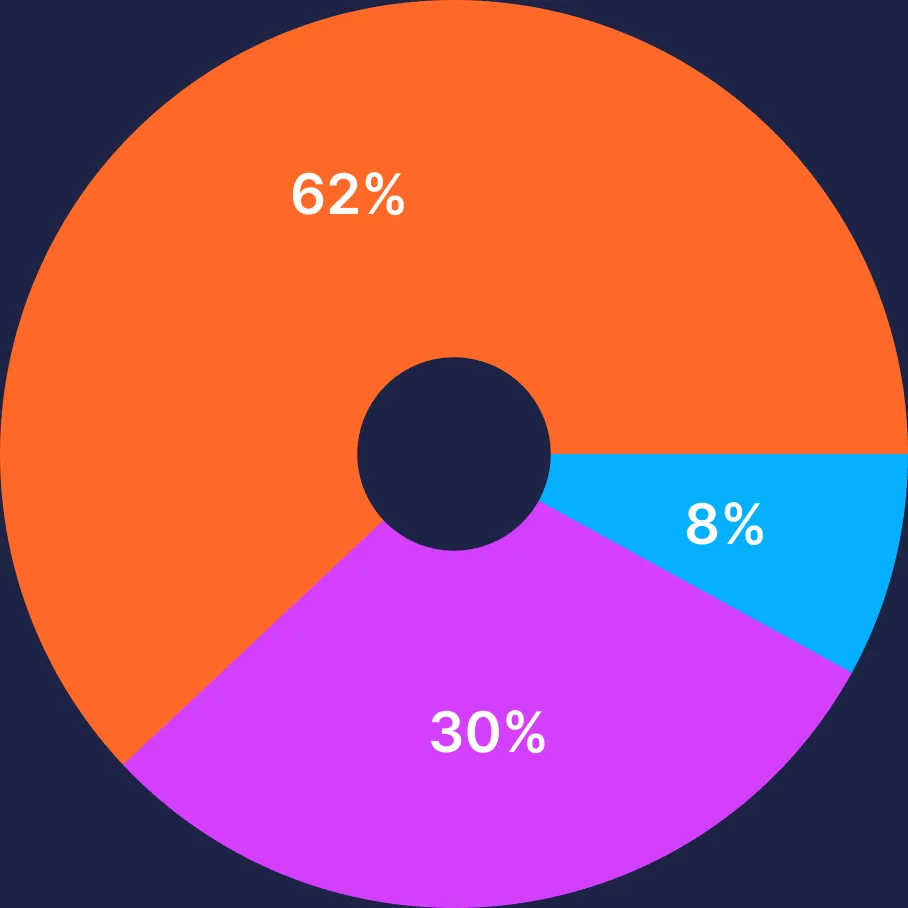
38% have avoided or cut short summer sex because of how they felt about their bodies.
43% have kept their clothing on during summer sex due to body insecurity. 9% say they always do.
That’s a substantial share of adults negotiating with their reflection at every stage of connection.

Half have turned down a summer date because of body image concerns
Have you ever turned down a summer date because of how you thought your body looked?
- Yes, I do it all the time
- Yes, a few times
- No
More than 4 in 10 have put dating on hold until "hoodie season"
Have you ever delayed dating until cooler months ("hoodie season") because you felt better about your body covered up?
- Yes
- No
Nearly 4 in 10 have avoided or cut short summer sex because of body insecurity
Have you ever avoided or cut short sex in summer because of how you felt about your body?
- Yes, I do it all the time
- Yes, sometimes
- No
43% keep clothing on during summer sex because of body insecurity
Have you ever kept clothing on during summer sex because of body insecurity?
- Yes, I do it all the time
- Yes, sometimes
- No
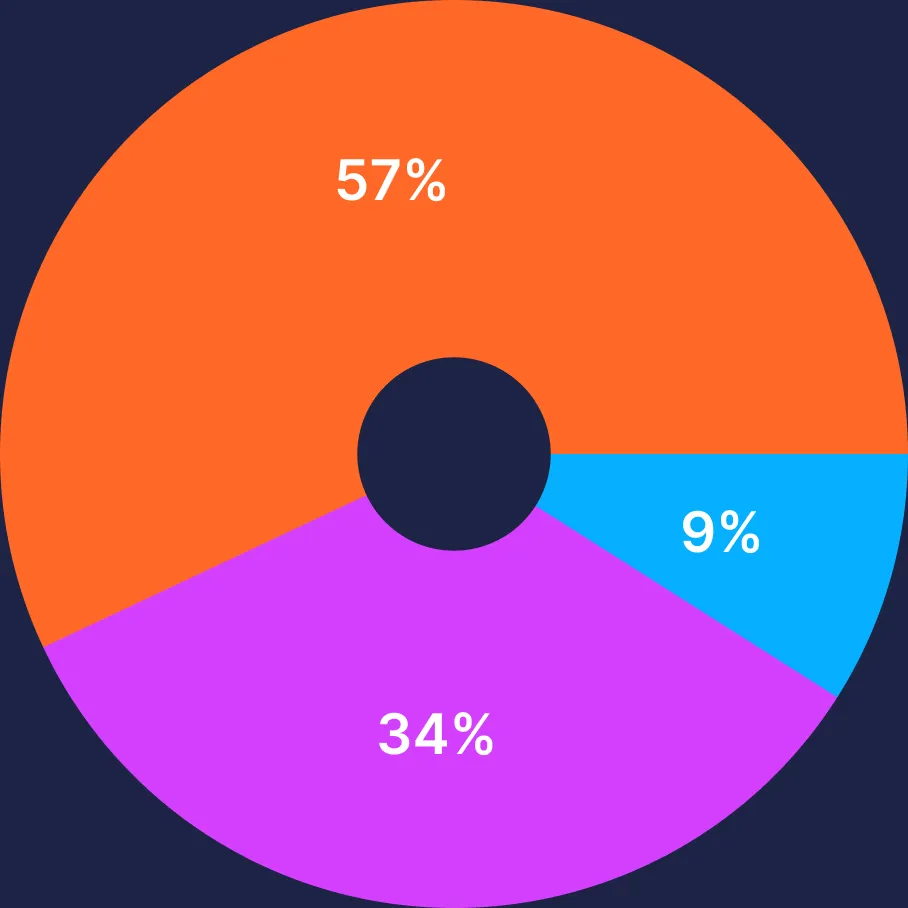
For 47%, summer is the worst season for body confidence and social life
Is summer the hardest season for your body confidence and your social life?
- Yes, summer is the worst
- No, winter is harder
- No difference
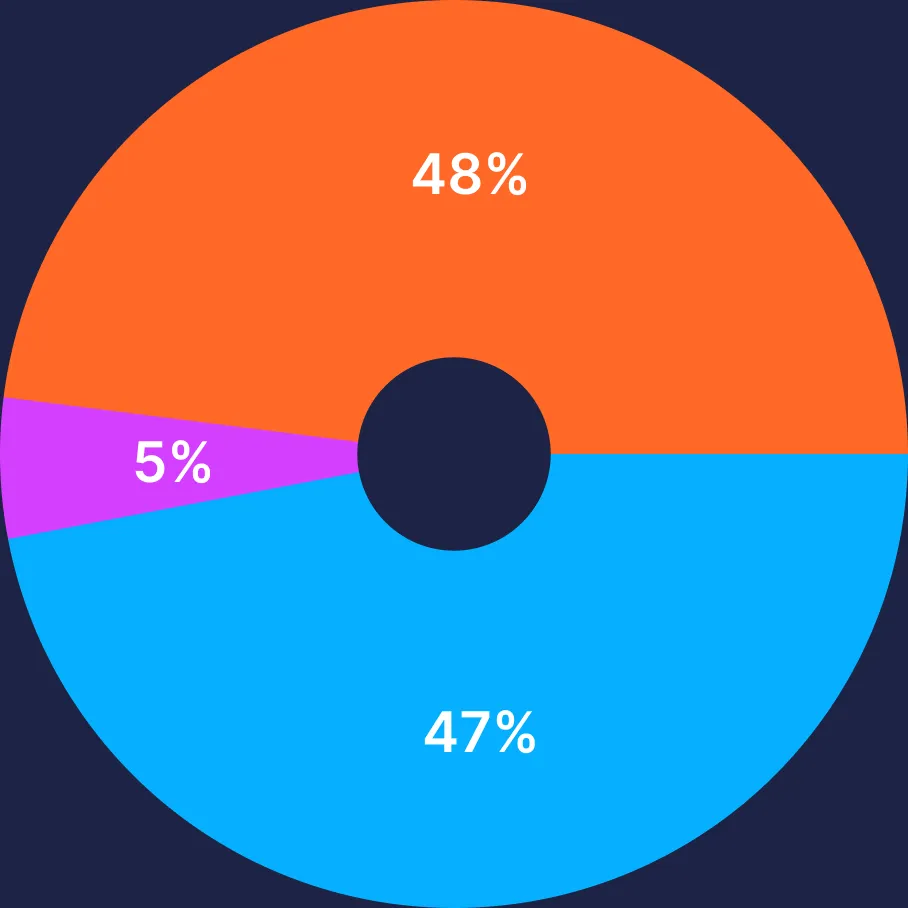
1 in 3 have skipped a summer party, wedding, or social event because of body or diet concerns
Have you ever skipped a summer social event (such as a party or a wedding)?
- Yes – due to body insecurities
- Yes – because I was afraid of overeating and gaining weight
- No
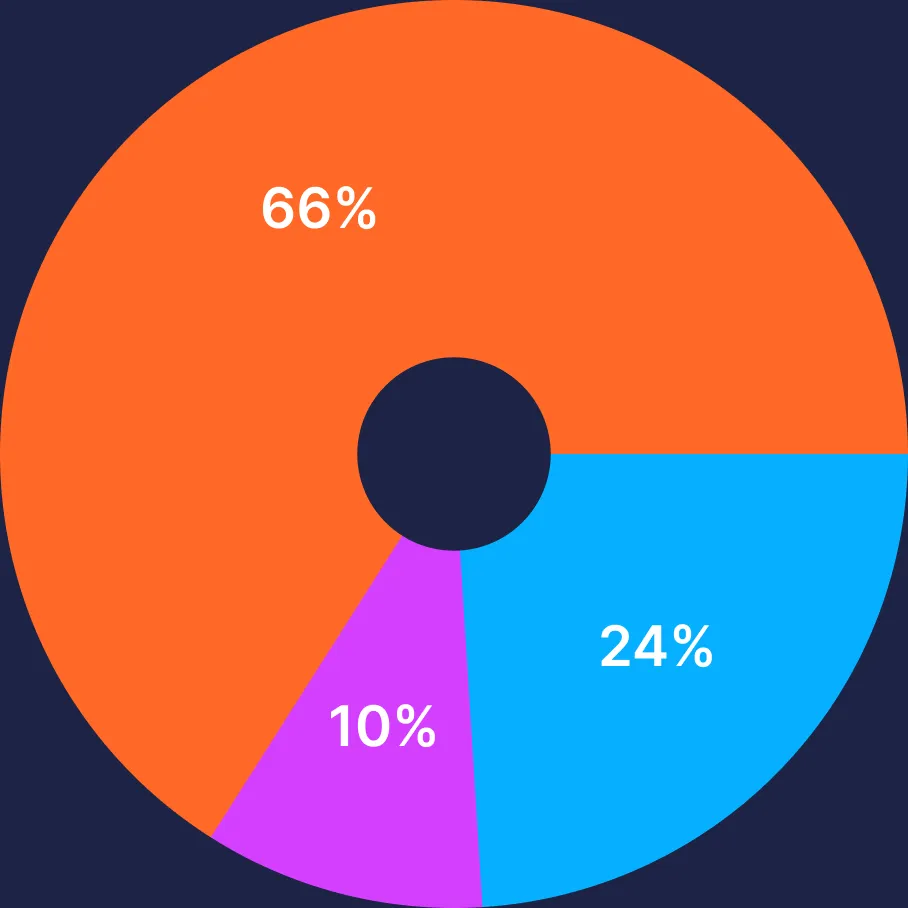
More than 1 in 3 have lied about skipping a social event when the real reason was their body or diet
Have you ever lied about why you skipped a social event when the real reason was your body or your diet?
- Yes
- No
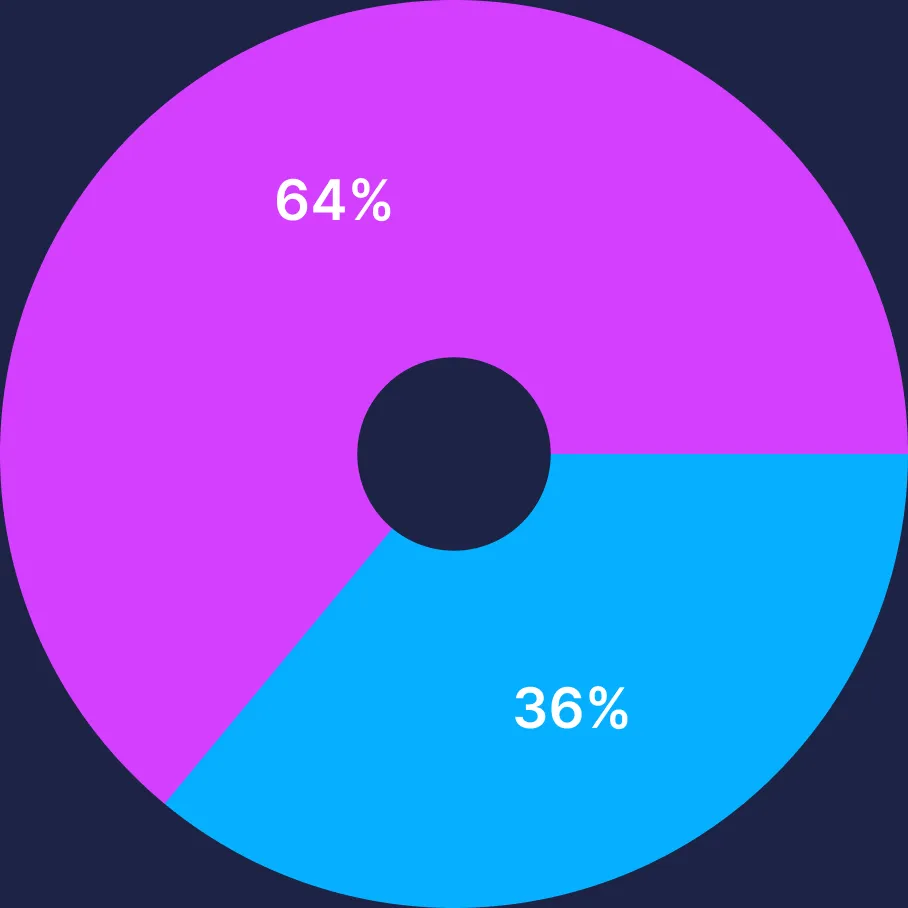
43% say weight-loss efforts have made them feel disconnected from friends and family
Have your weight-loss efforts ever made you feel disconnected from your friends & family?
- Yes, significantly
- Yes, somewhat
- No
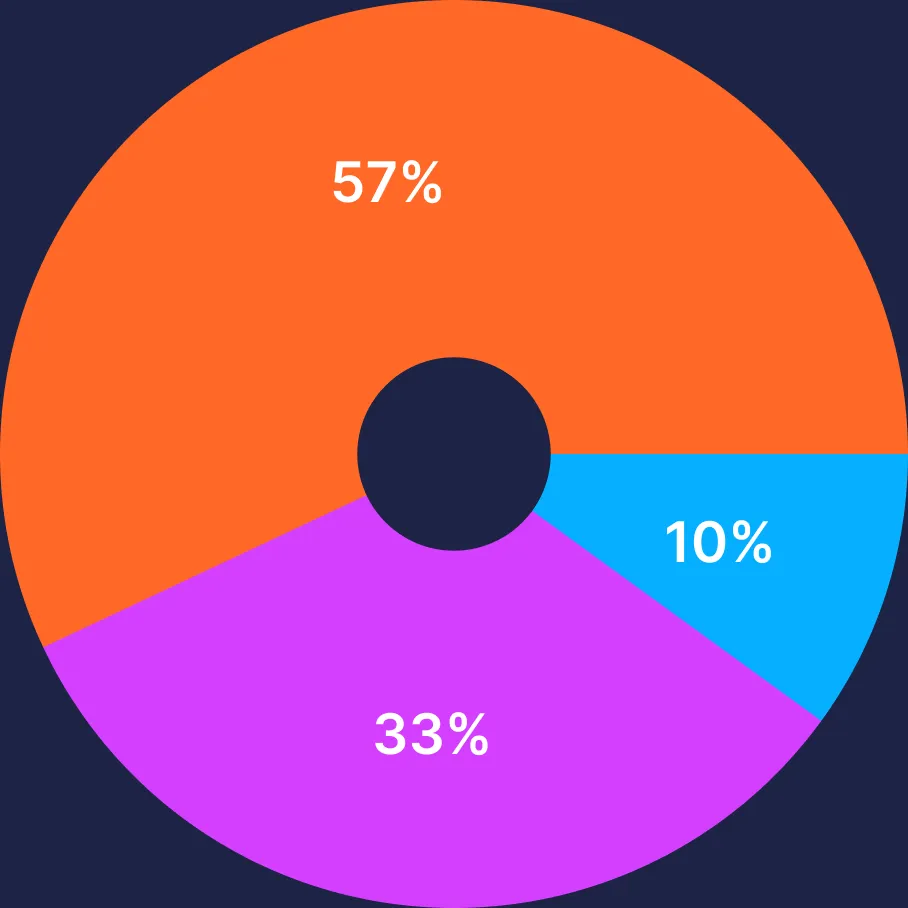
Nearly 4 in 10 have regretted missing a social event because of their diet
Have you ever regretted missing a social event because of your diet?
- Yes, all the time
- Yes, a few times
- No
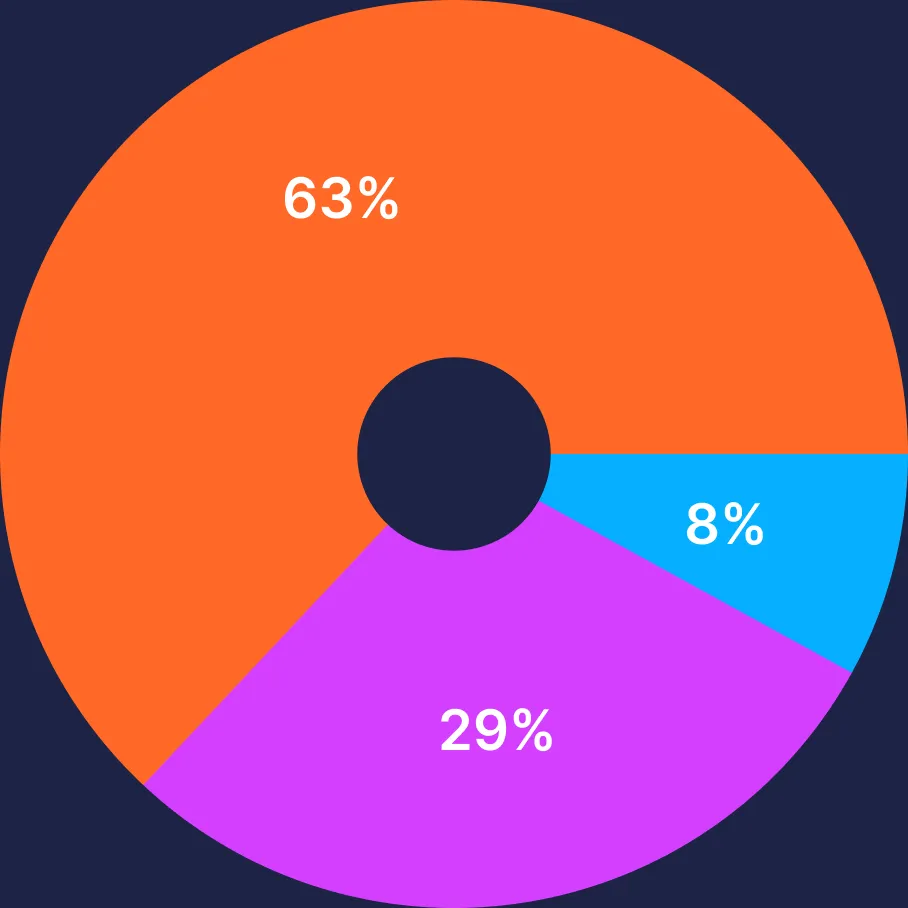
More than 1 in 3 have tried extreme dieting or exercise to lose weight for a summer event
Have you ever taken on an extreme diet or exercise program specifically to lose weight for a summer event?
- Yes, every year
- Yes, a few times
- No
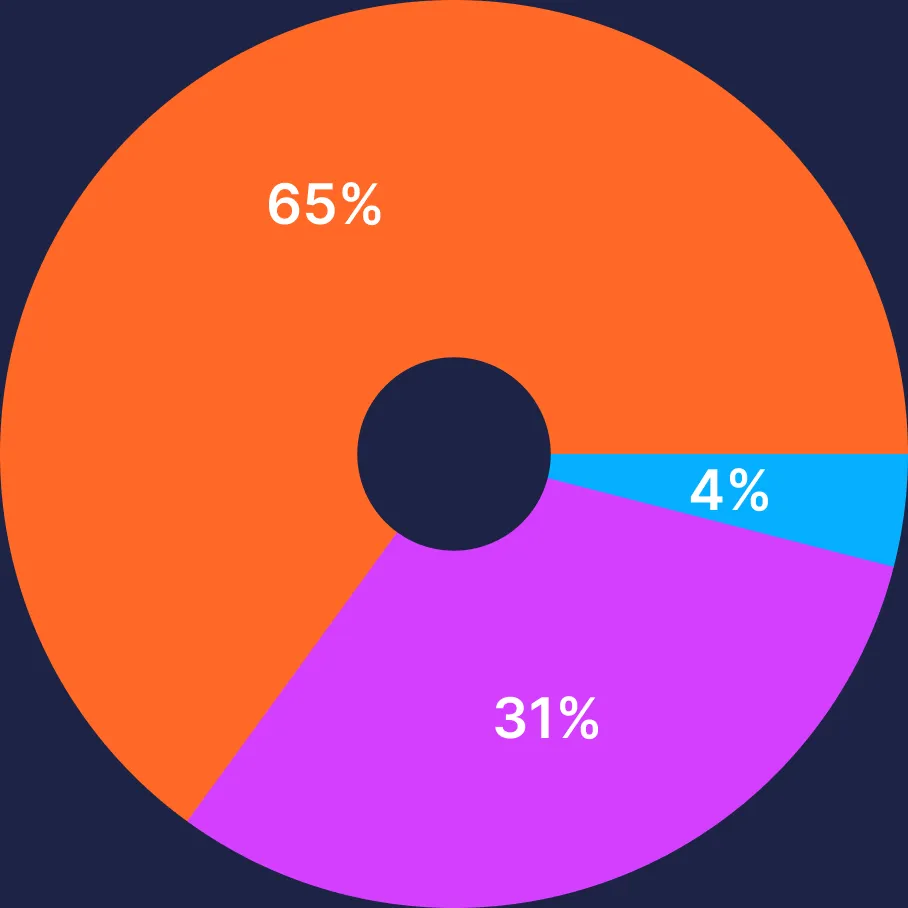
1 in 5 have cancelled or cut a vacation short to avoid indulgence
Have you ever cancelled or cut your vacations short to avoid the indulgence?
- Yes, cancelled entirely
- Yes, cut it short
- Yes, both
- No
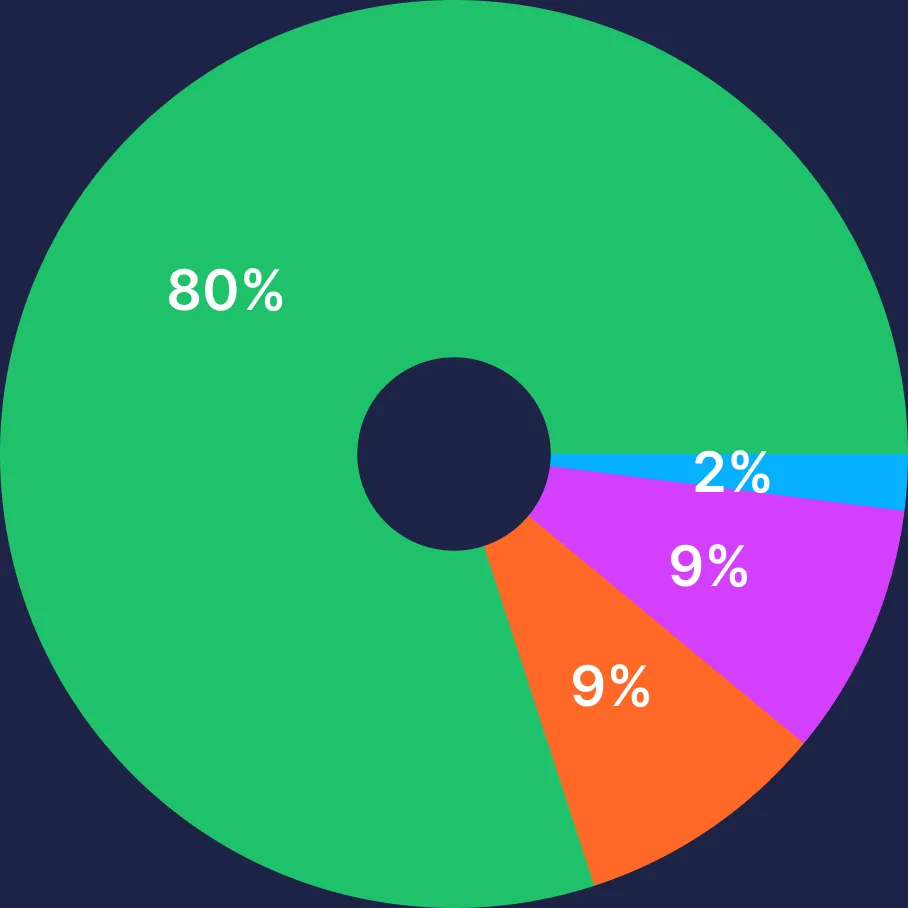
1 in 5 have turned to extreme weight-loss methods after overindulging on vacation
Have you ever taken on extreme weight loss methods after a vacation because of overindulging?
- Yes
- No
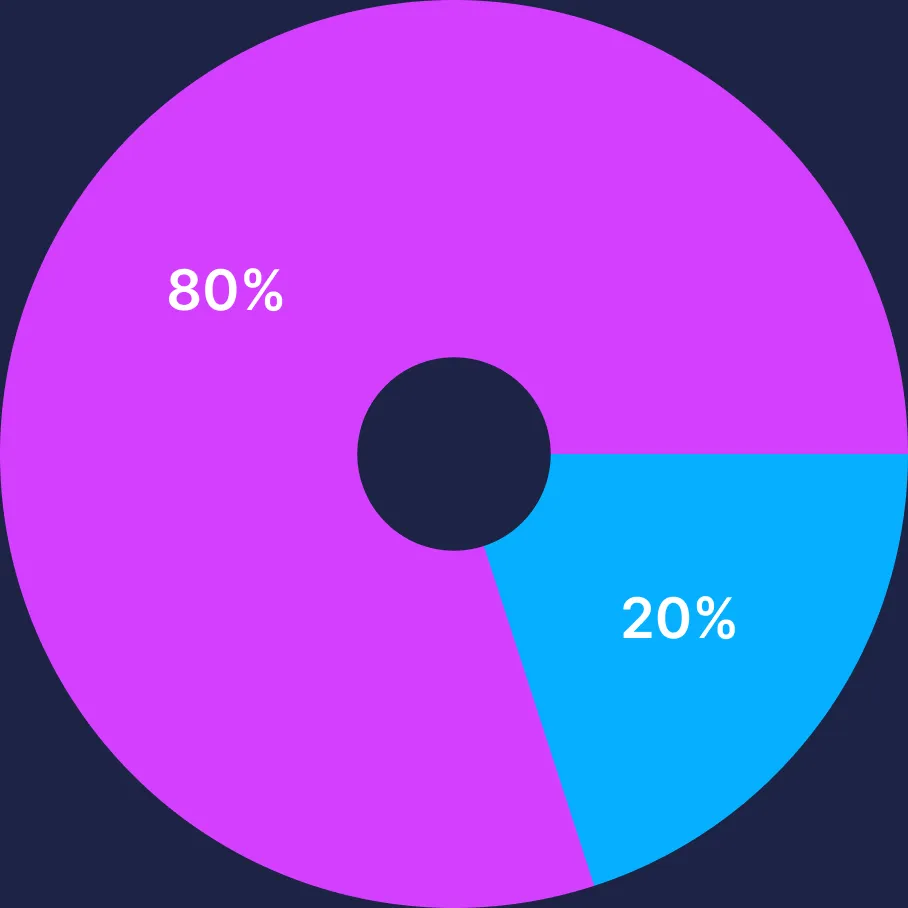
More than half say health now factors into how they choose a vacation
When you pick a vacation, how much does “will it be healthy” factor in?
- It’s a top priority
- A nice bonus, not a deciding factor
- Doesn’t cross my mind
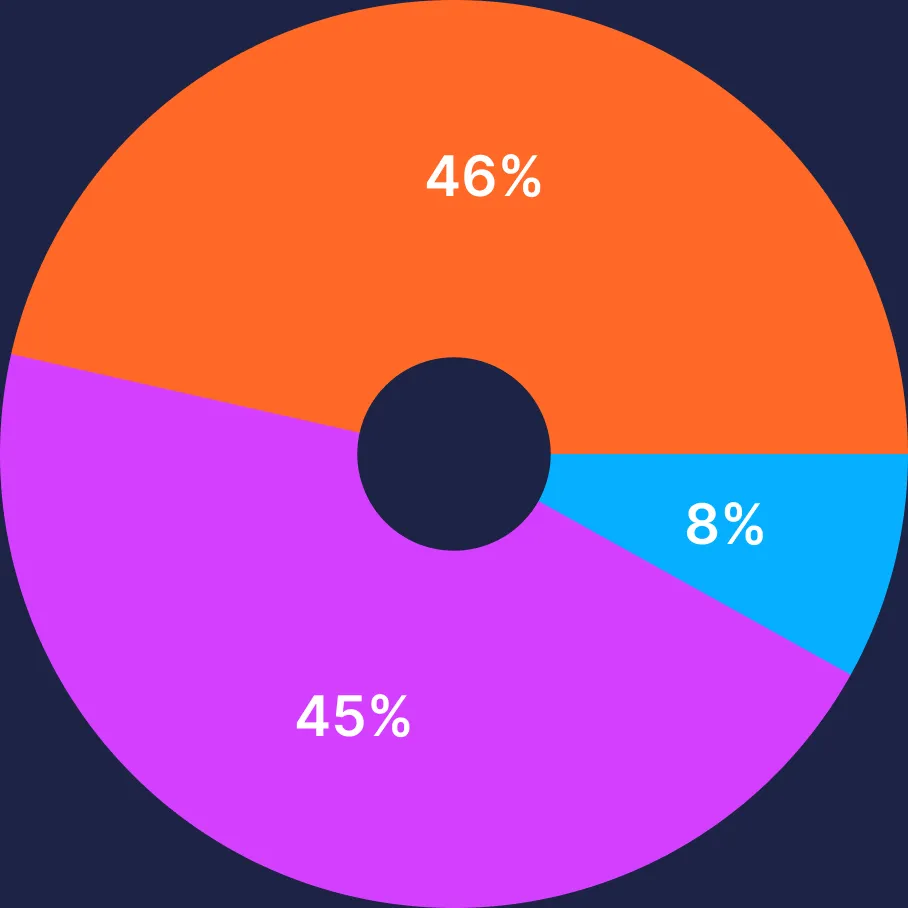
More than 1 in 3 say the old-school “eat and drink whatever you want” vacation is becoming outdated
Do you think the old-school “indulgent” vacation (lying by the pool, eating and drinking whatever you want) is becoming outdated?
- Yes, healthy and active is the new way to travel
- No, a vacation is for indulging, that’s the point
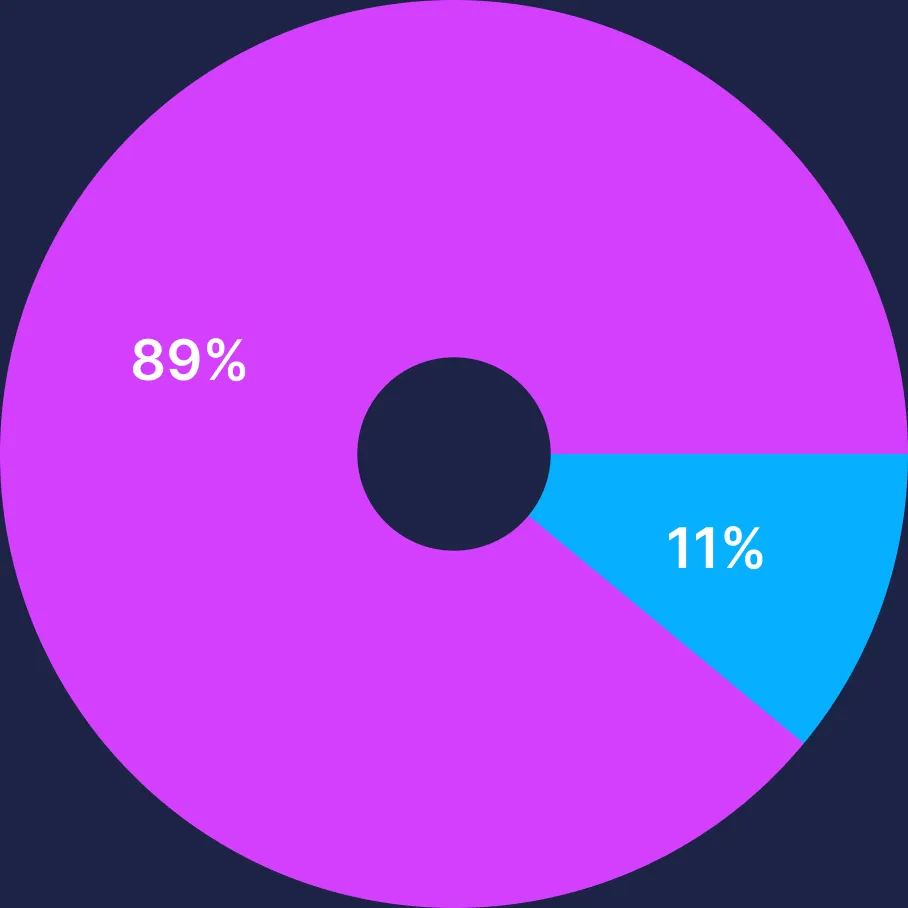
1 in 10 secretly judge people who still treat vacation as a time to fully indulge
Do you secretly judge people who still treat vacations as a time to fully indulge?
- Yes
- No
The social no-show
We’re told weight loss weight loss is self-care — a gift to your future self. But the pursuit of a smaller body often has a social cost, and for four in ten people, that bill comes in the form of putting distance between them and the people who matter most.
43% say their weight-loss efforts have made them feel disconnected from friends and family (10% significantly, 33% somewhat).
Body insecurities also creep into our wider social circles, with one in three (34%) skipping a summer social event.
24% do this because of body insecurity; 10% out of fear of overeating and gaining weight.
36% lie about those reasons — inventing conflict, a sickness, a deadline, because the truth is too hard to share.
37% then go on to regret missing the event.
Our body fears and weight loss efforts are costing us relationships, joyful experiences, and the chance to love and be loved. It’s a pretty hefty cost.
The extremes we’ll go to
For a third of adults, the “summer body” is a crash project with a hard deadline.
35% have taken on an extreme diet or exercise program specifically to lose weight for a summer event.
4% do that every single year.
20% have turned to extreme weight-loss methods after a vacation because they overindulged.
Another 20% have cancelled or cut a vacation short to avoid indulgence.
While weight loss can be a healthy pursuit, these consequences skew it toward a more negative place. Somewhere along the way, we’ve turned rest into a risk to be managed and enjoyment a crime to be punished.
Which brings us to the biggest cultural tell in the data.
More than half (53%) now factor health into how they pick a vacation (8% call it a top priority, 45% a nice bonus).
36% believe the old-school indulgent vacation — pool, food, drink, zero guilt — is becoming outdated. And 11% admit they secretly judge those who treat vacation as a time to fully indulge.
The hedonist vacation isn’t dead — 64% still say indulging is the entire point. But it’s contested now in a way it wasn’t a generation ago.
What comes next
The wellness conversation has never been louder. Health now shapes how a majority of people choose a vacation, and a third think the old indulgent getaway is a moral failing.
Yet for all our talk of self-improvement, we’re harder on ourselves — and our bodies — than ever. Half of adults are turning down dates. Four in ten are covering up in their own bedrooms. A deeper focus on health hasn’t fixed our body-confidence problems, it’s sharpened them.
We don’t need more rules or restrictions. We need a release in the pressure.
People feel better when they don’t need to look a certain way by a certain date. When bodies are allowed to change and be imperfect, and food and rest are not things we feel the need to tightly control.
One thing these numbers tell us is that this struggle is widely shared. Nearly everyone in the room has skipped the date, kept the shirt on, or made the excuse.
Realizing you’re not the only one is where these pressures on our bodies might just start to loose their grip.

Methodology: The data in this article is from a survey conducted by Simple Life App. The survey was launched in June 2026. In total, 2,000 adults were surveyed, and all respondents took the full survey. All genders, ethnicities, and age groups over 18 years old were included in the survey. This survey provides new insights into the body-image and summer-confidence statistics that shape modern lives.